Citrus glauca 'Desert Lime'
Common name(s): Desert Lime, Wild Lime, Desert Kumquat
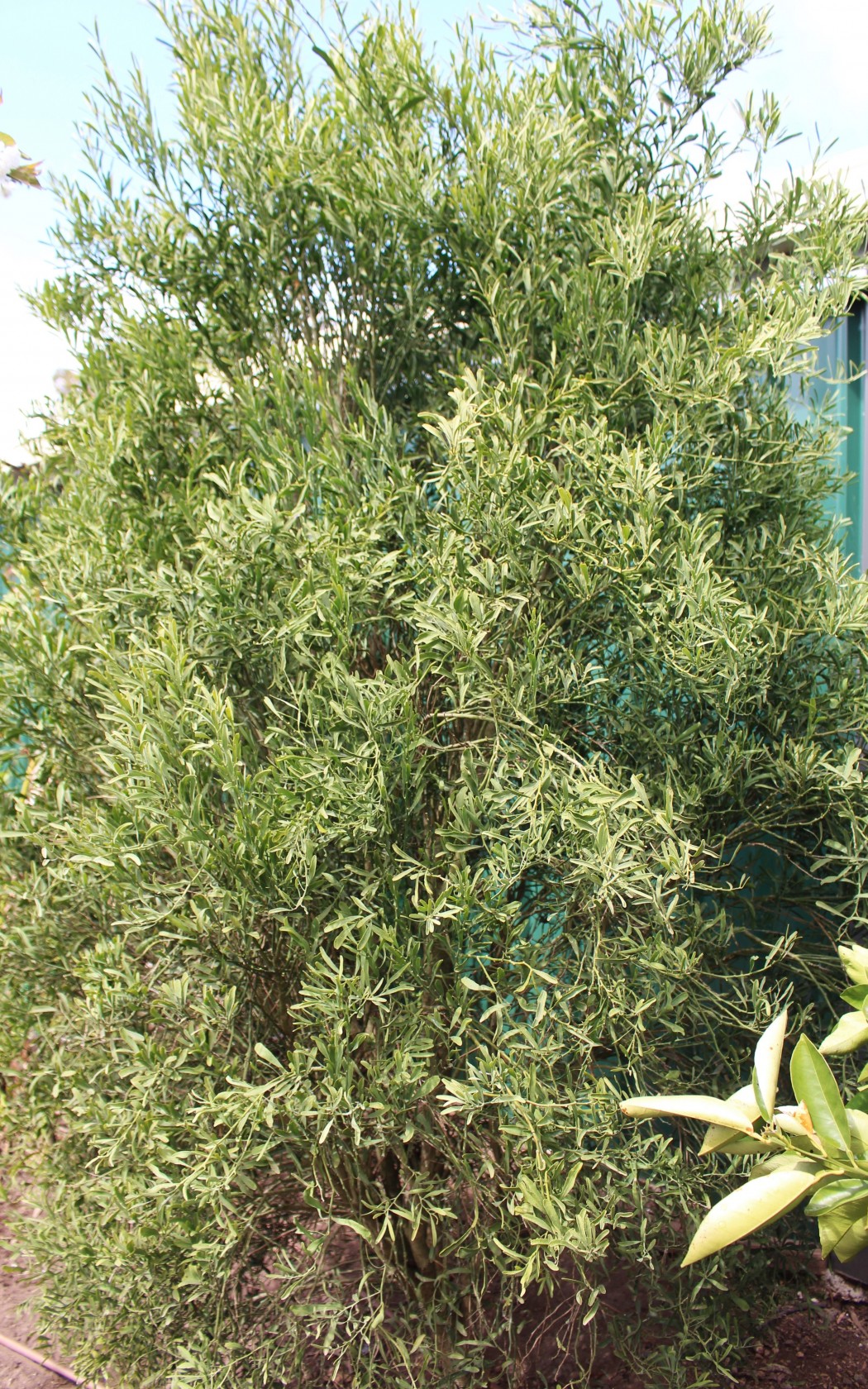
Plant
Plant - Citrus glauca 'Desert Lime'
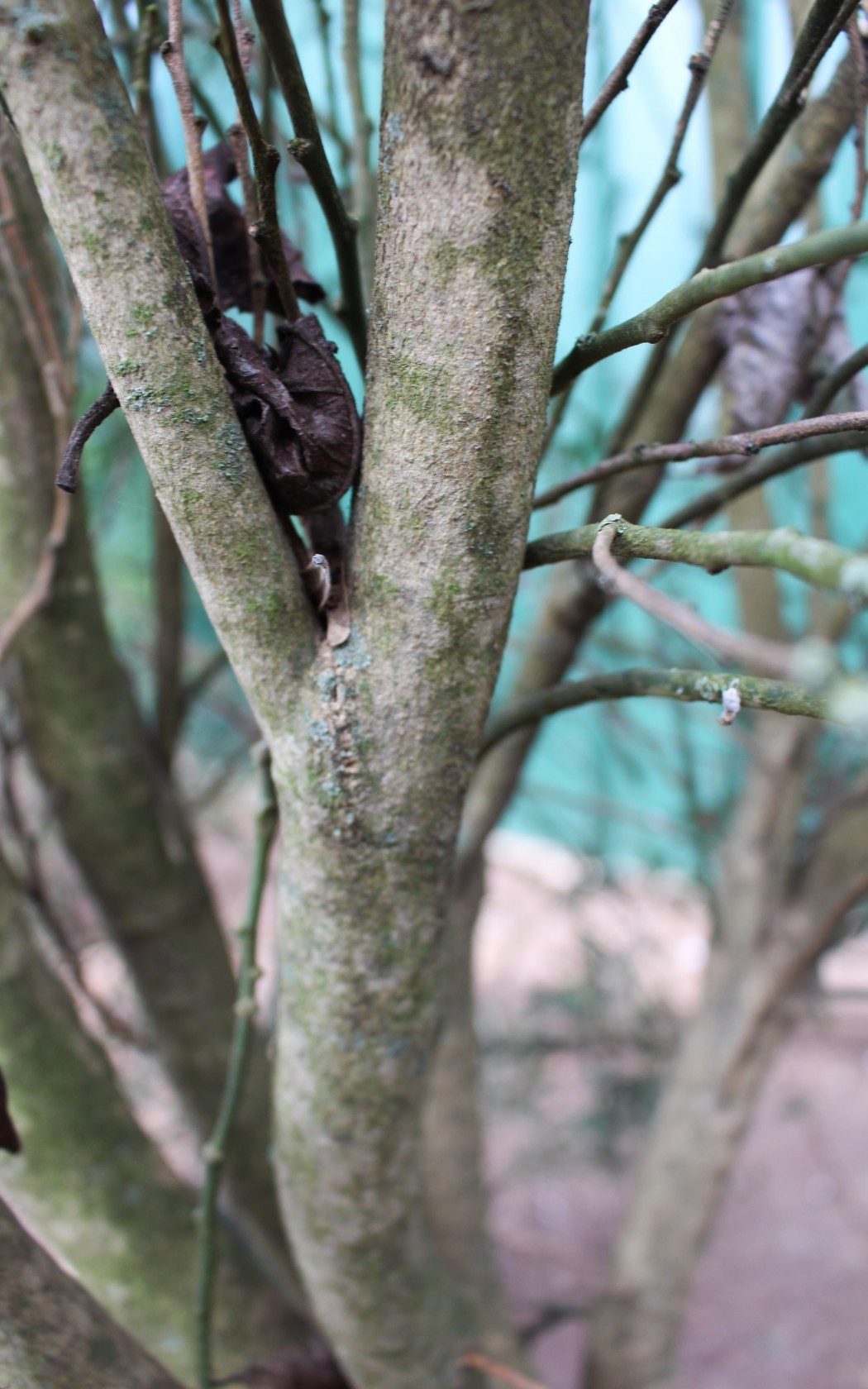
Bark (Upper)
Bark (Upper) - Citrus glauca 'Desert Lime'
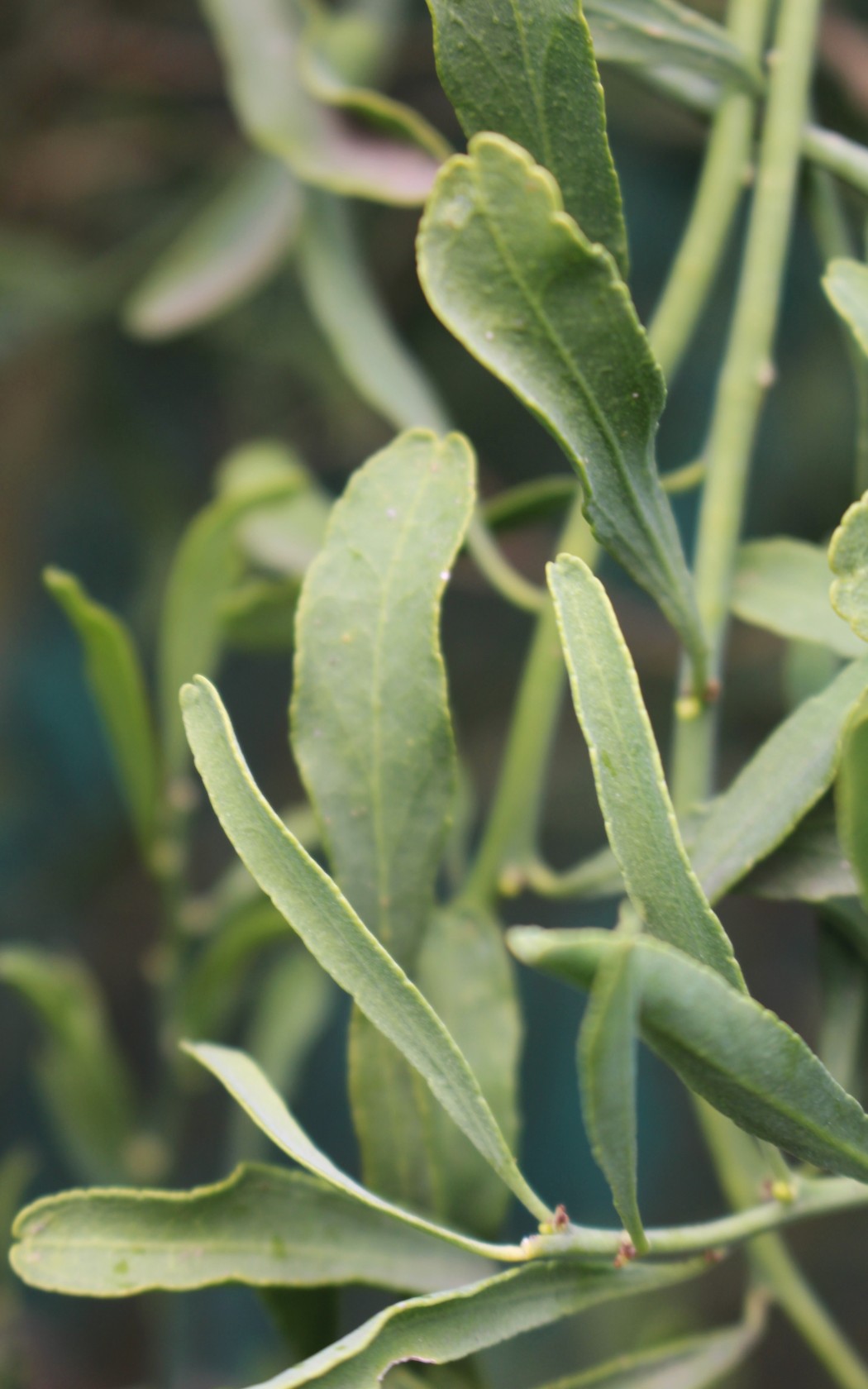
Leaves
Leaves - Citrus glauca 'Desert Lime'
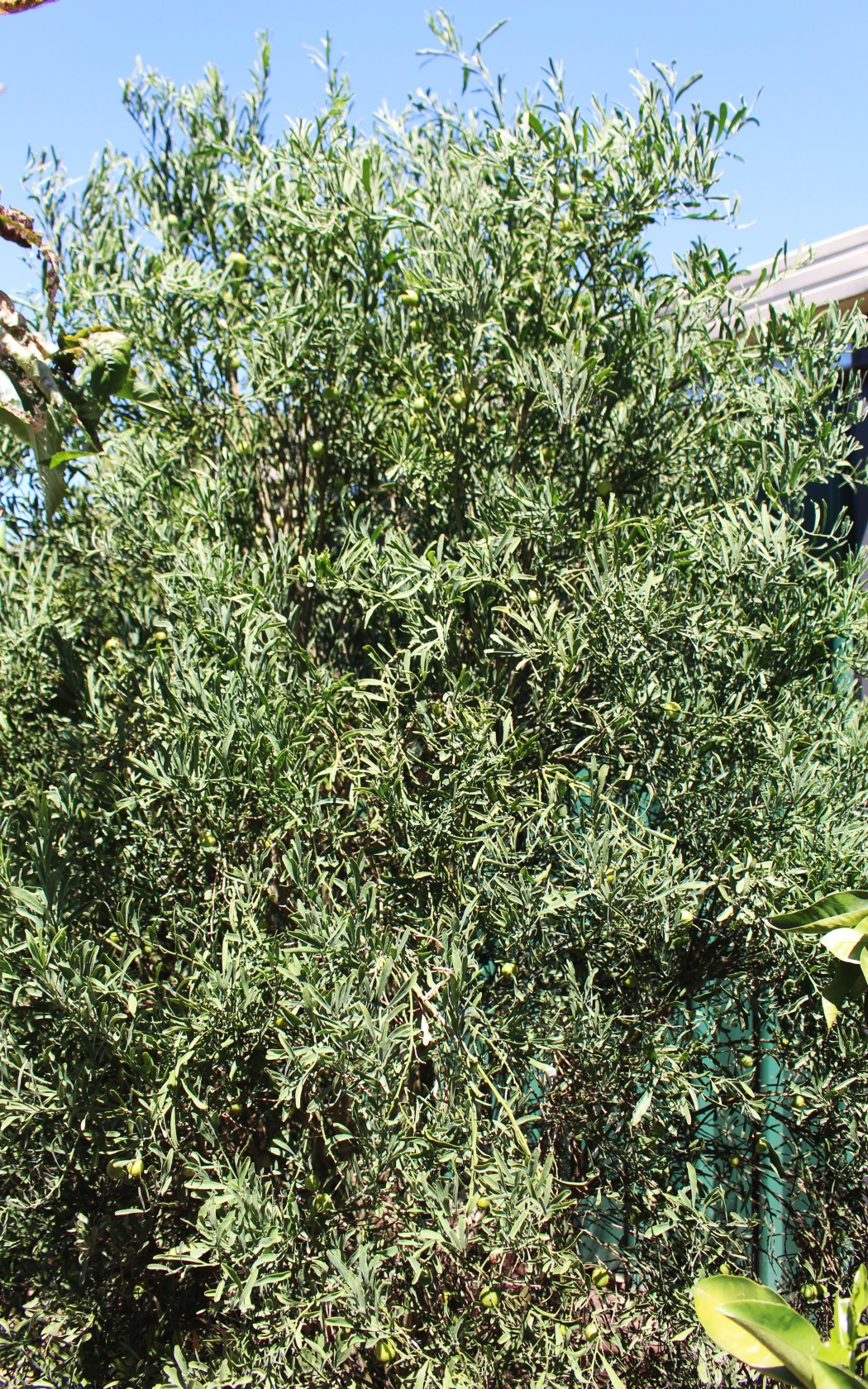
Plant
Plant - Citrus glauca 'Desert Lime'
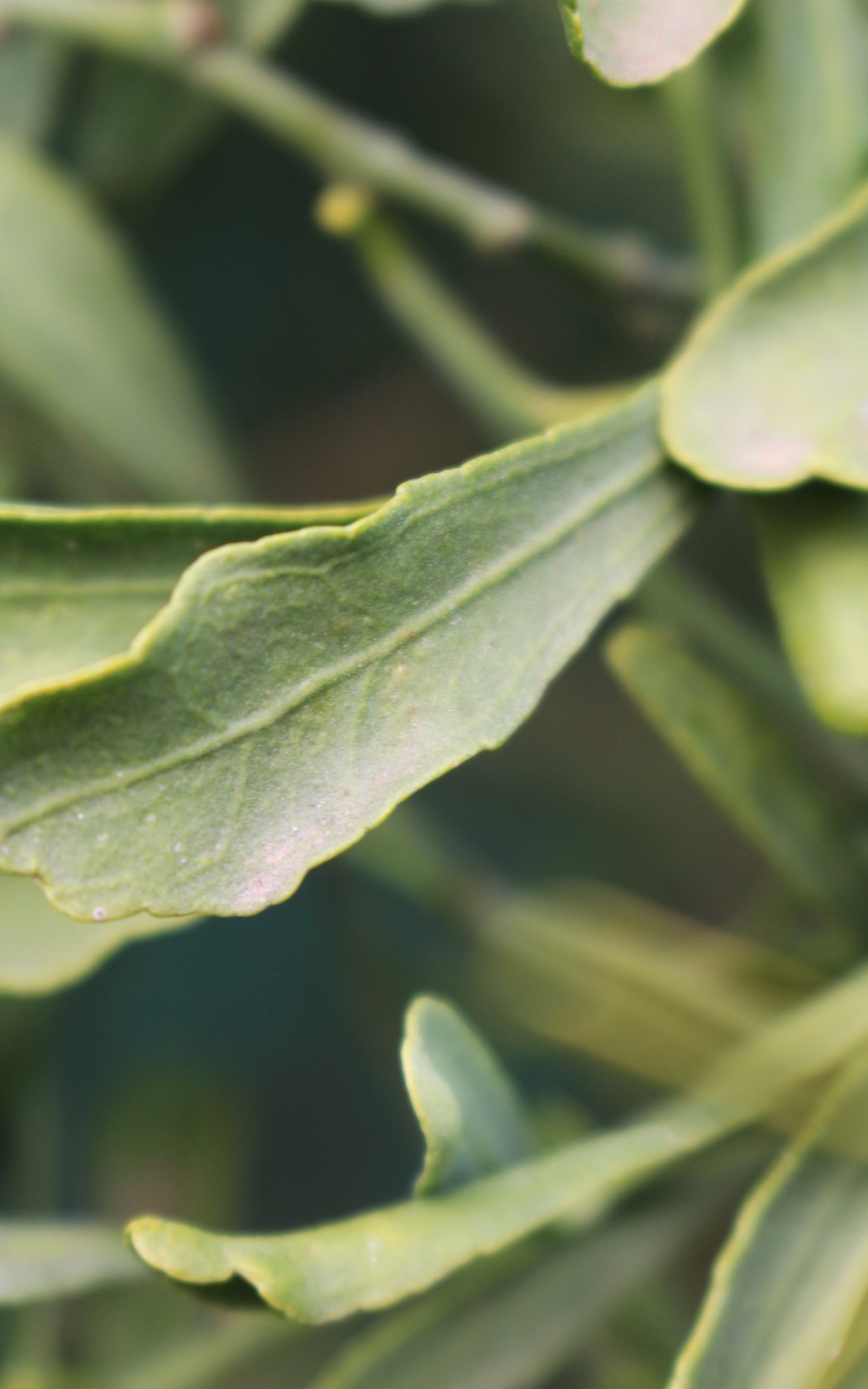
Leaf (Front)
Leaf (Front) - Citrus glauca 'Desert Lime'

Fruit
Fruit - Citrus glauca 'Desert Lime'
Expand all

 Bun - Narrow,
Domed - Narrow
Bun - Narrow,
Domed - Narrow
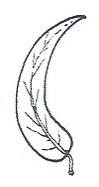
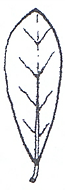
 Falcate,
Oblanceolate,
Spathulate
Falcate,
Oblanceolate,
Spathulate
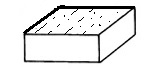 Glabrous,
Leathery / Coriaceous
Glabrous,
Leathery / Coriaceous
Glabrous,
Leathery / Coriaceous
Glabrous,
Leathery / Coriaceous
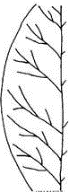 Entire
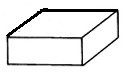 Glabrous
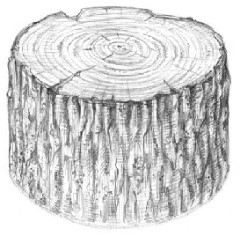 Wood Fibres - Solid
 Terete
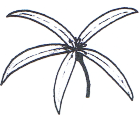 Stellate
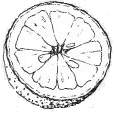 Hesperidium
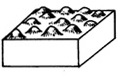
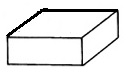 Lumpy / Papillate / Papillose,
Waxy
Lumpy / Papillate / Papillose,
Waxy
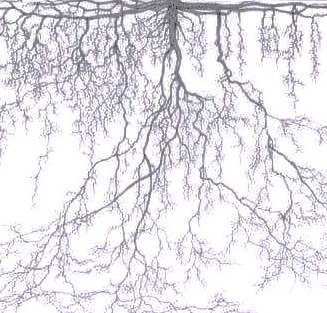
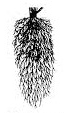 Tap Plate,
Fibrous
Tap Plate,
Fibrous


 Damp,
Moist,
Moist - Dry
Damp,
Moist,
Moist - Dry
 Slight-Moderate
Plant Properties
Origin(s)
Plant Type
Climate Range(s) - Habitat
Climate Range(s) - Tolerance
Aspect Range(s)
Habitat Range(s)
Habitat Zone(s)
Mature Height
Mature Width
Plant Shape
Bun - Narrow
Domed - Narrow
Bun - Narrow,
Domed - Narrow
Growth Rate
Maturity
Life Span
Leaf Properties
Colour (front)
Colour (back)
Shape(s)
Falcate
Oblanceolate
Spathulate
Falcate,
Oblanceolate,
Spathulate
Narrow
Narrow
Aroma
Texture (front)
Glabrous
Leathery / Coriaceous
Glabrous,
Leathery / Coriaceous
Texture (back)
Glabrous
Leathery / Coriaceous
Glabrous,
Leathery / Coriaceous
Leaf Length(s)
Leaf Width(s)
Margin
Entire
Entire Bark / Stem / Culm Properties
Colour(s) Upper
Colour(s) Lower
Texture(s) Upper
Glabrous
Glabrous
Trunk / Stem Construction(s)
Wood Fibres - Solid
Wood Fibres - Solid
Wood - Soft
Wood - Soft
Trunk / Stem / Culm Cross Section
Terete
Terete
Trunk / Stem Feature(s)
Flower Properties
Gender: Bisexual
Time(s)
Flower Colour(s)
Flower Shape(s)
Stellate
Stellate
Aroma(s)
Pollinator(s)
Fruit Properties
Type
Hesperidium
Hesperidium
Outer Colour(s)
Outer Texture
Lumpy / Papillate / Papillose
Waxy
Lumpy / Papillate / Papillose,
Waxy
Aroma
Season of Fruiting
Maturation for Fruiting
Root Properties
Type
Tap Plate
Fibrous
Tap Plate,
Fibrous
Invasiveness
Soil Properties
Type(s)
pH Range(s)
Condition(s)
Damp
Moist
Moist - Dry
Damp,
Moist,
Moist - Dry
Fertile
,
Poor Fertility
,
Deep
,
Well Drained
Fertile,
Poor Fertility,
Deep,
Well Drained
Salinities
Slight-Moderate
Slight-Moderate
Waterlogging Class
Watering Requirements
Other Properties / Uses
Bee Attraction
Bird Attraction
Butterfly Attraction
Frog Habitat
Coastal
Edible(s)
Fire Retarding
Frost Tolerance
Snow Tolerance
Drought Tolerance
Landscape Use
Special Purpose(s)
Maintenance(s)
Fertilising Requirements
Wind Tolerance
General Notes
Citrus glauca is one of the hardiest and most resilient Citrus species available. Generally evergreen, however in dry times it will lose it's leaves and survive on the green bark until rains come. It is a highly prized bush tucker food, eaten whole.
Citrus glauca 'Australian Outback Lime', a select grafted form with lack of thorns. The fruit is used in a range of products including beverages, marmalades, condiment to fish dishes, cocktails, pickles, chutneys, candied peel, with a strong lime flavour. They can also be frozen whole and popped in gin and tonic for a garnish and a burst of wild lime.