Kigelia africana Lam., Benth.
Common name(s): Sausage Tree, Cucumber Tree
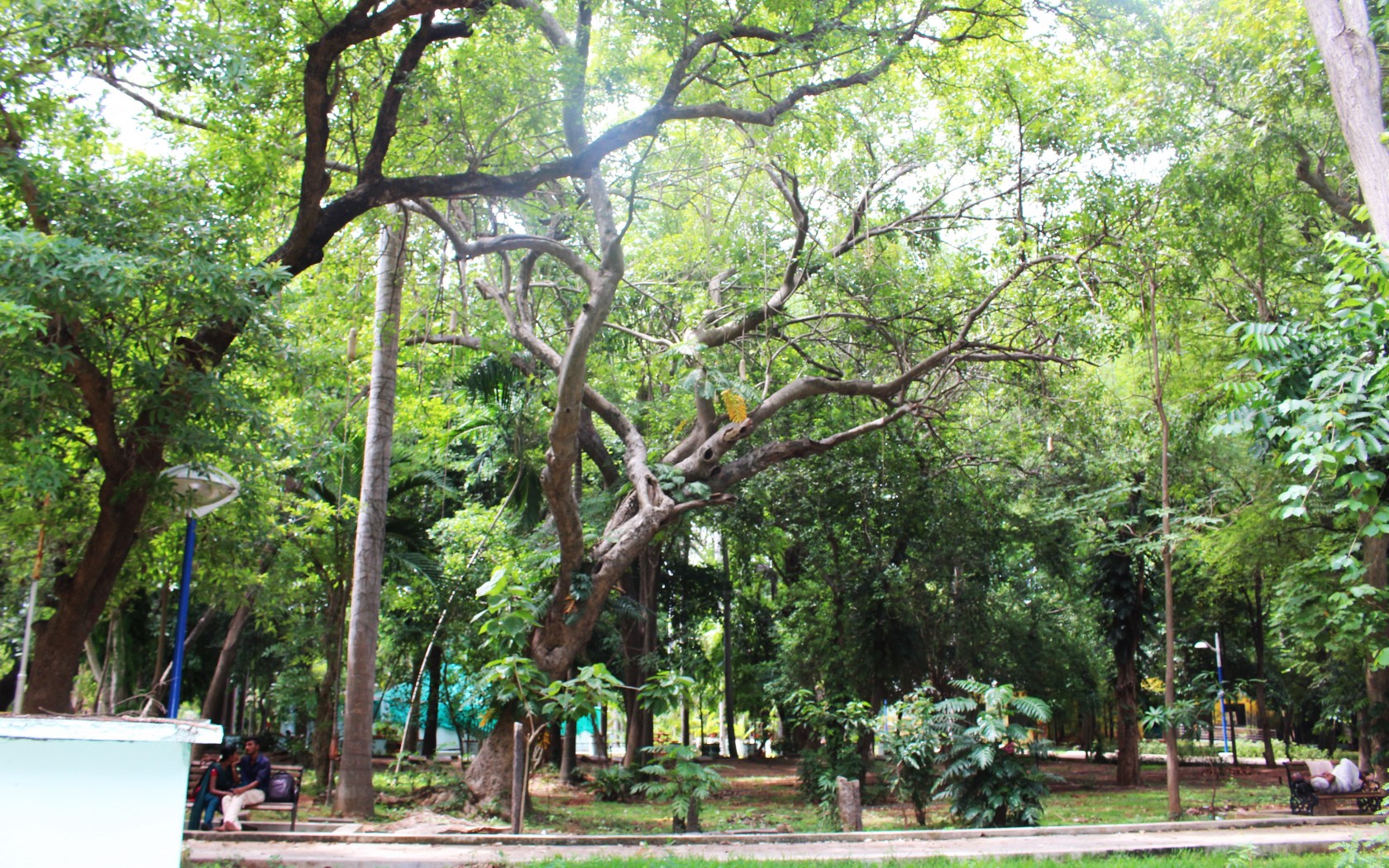
Plant
Plant - Kigelia africana (Lam., Benth.)
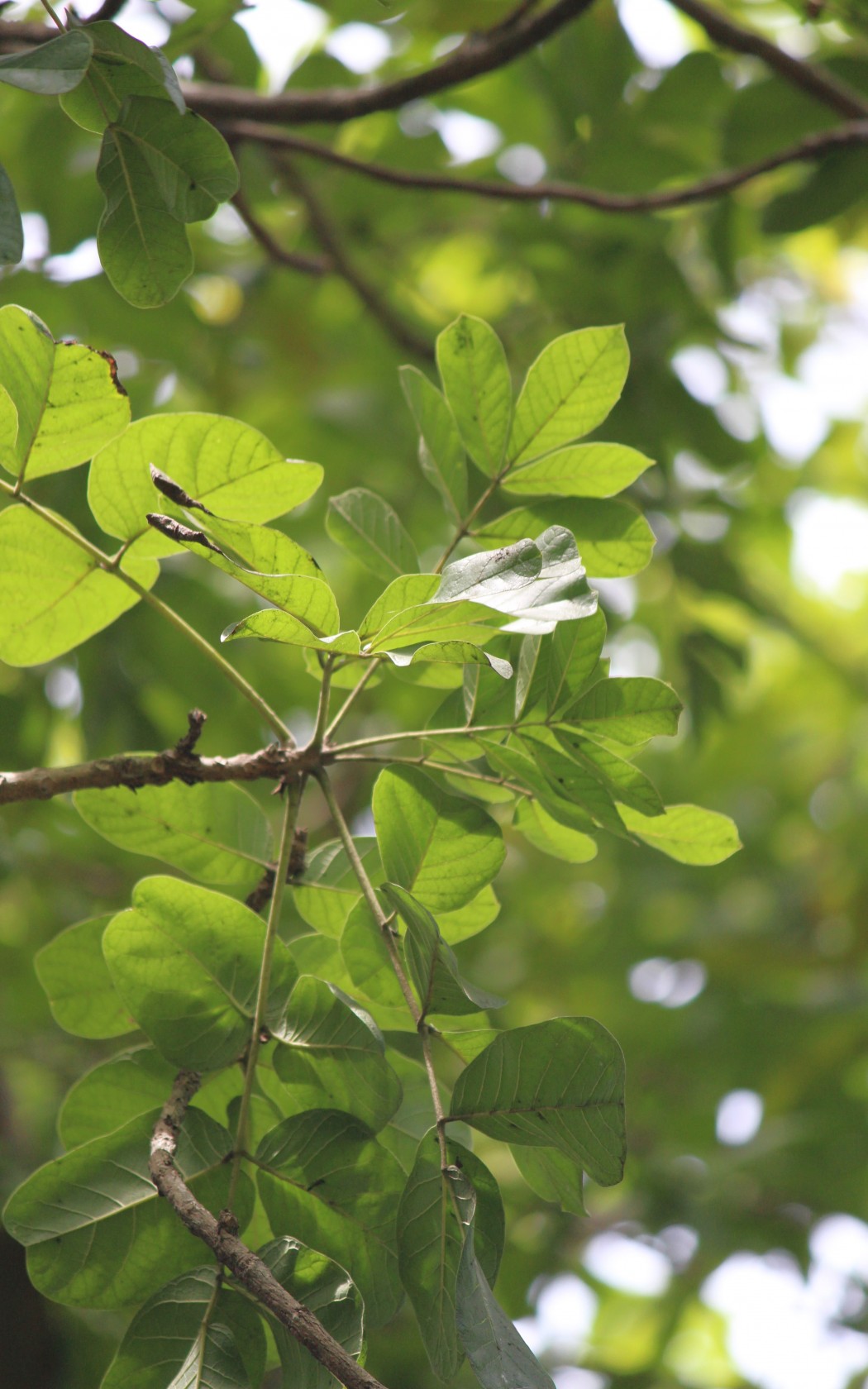
Leaf (Back)
Leaf (Back) - Kigelia africana (Lam., Benth.)
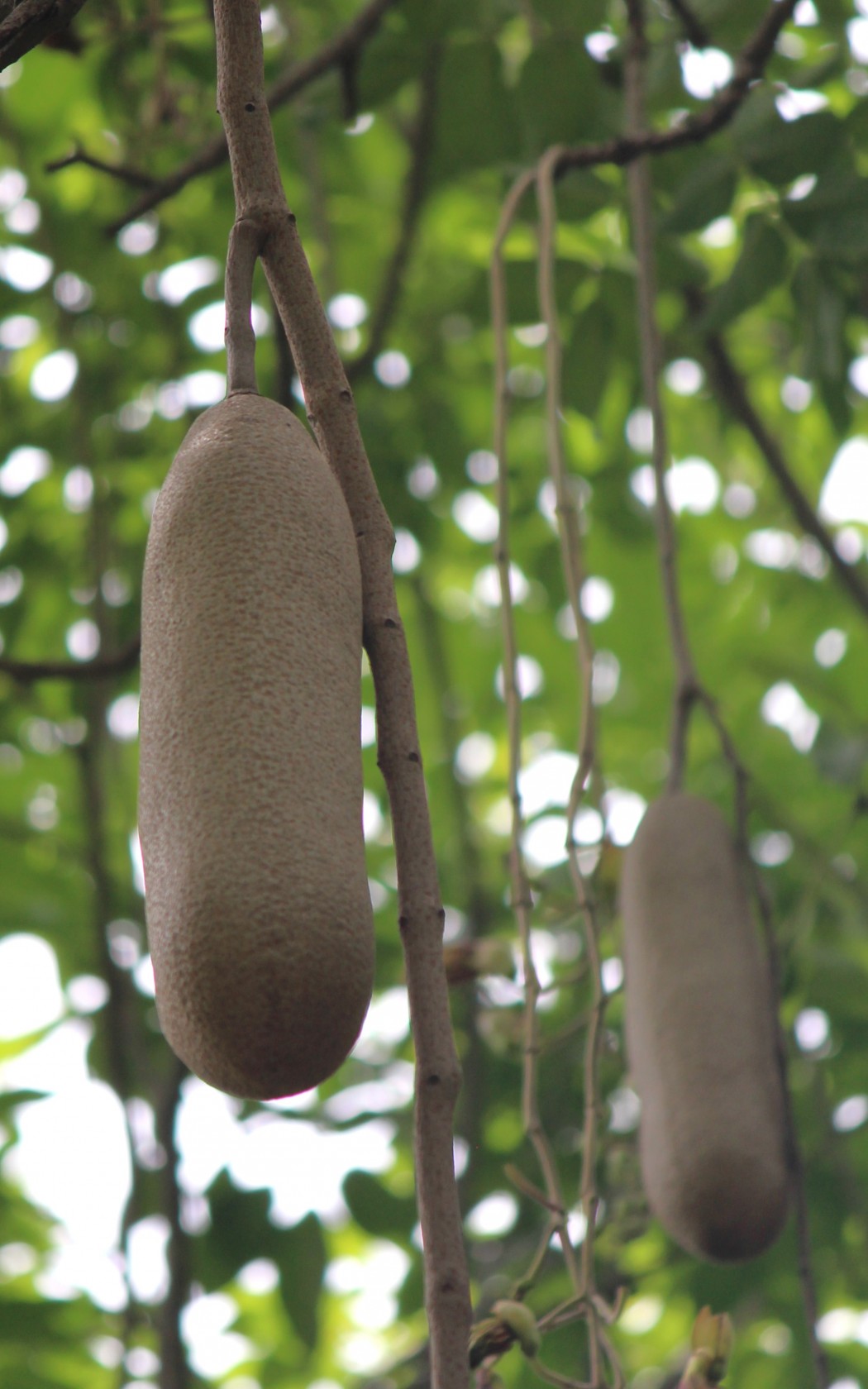
Fruit
Fruit - Kigelia africana (Lam., Benth.)
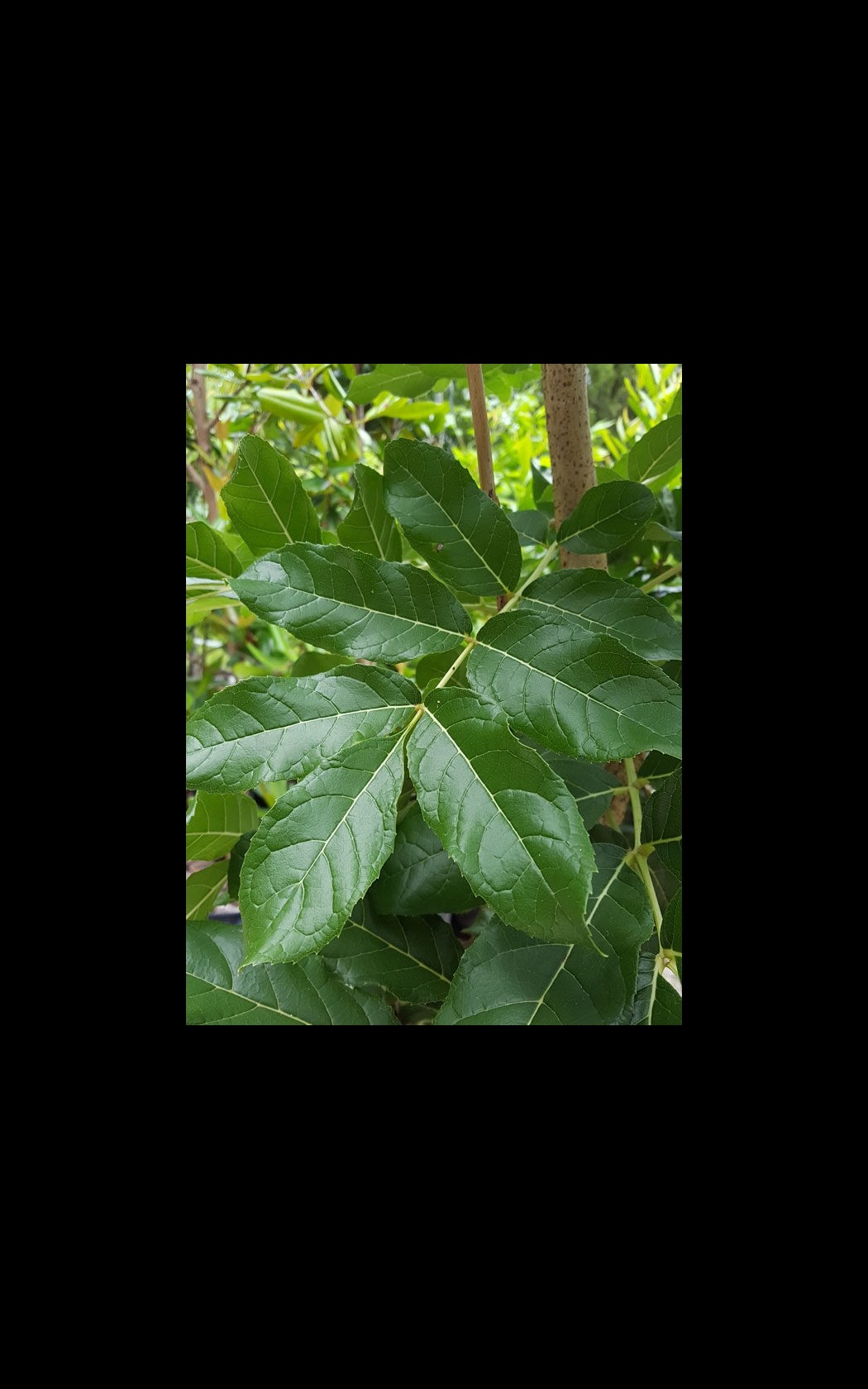
Leaf (Front)
Leaf (Front) - Kigelia africana (Lam., Benth.)
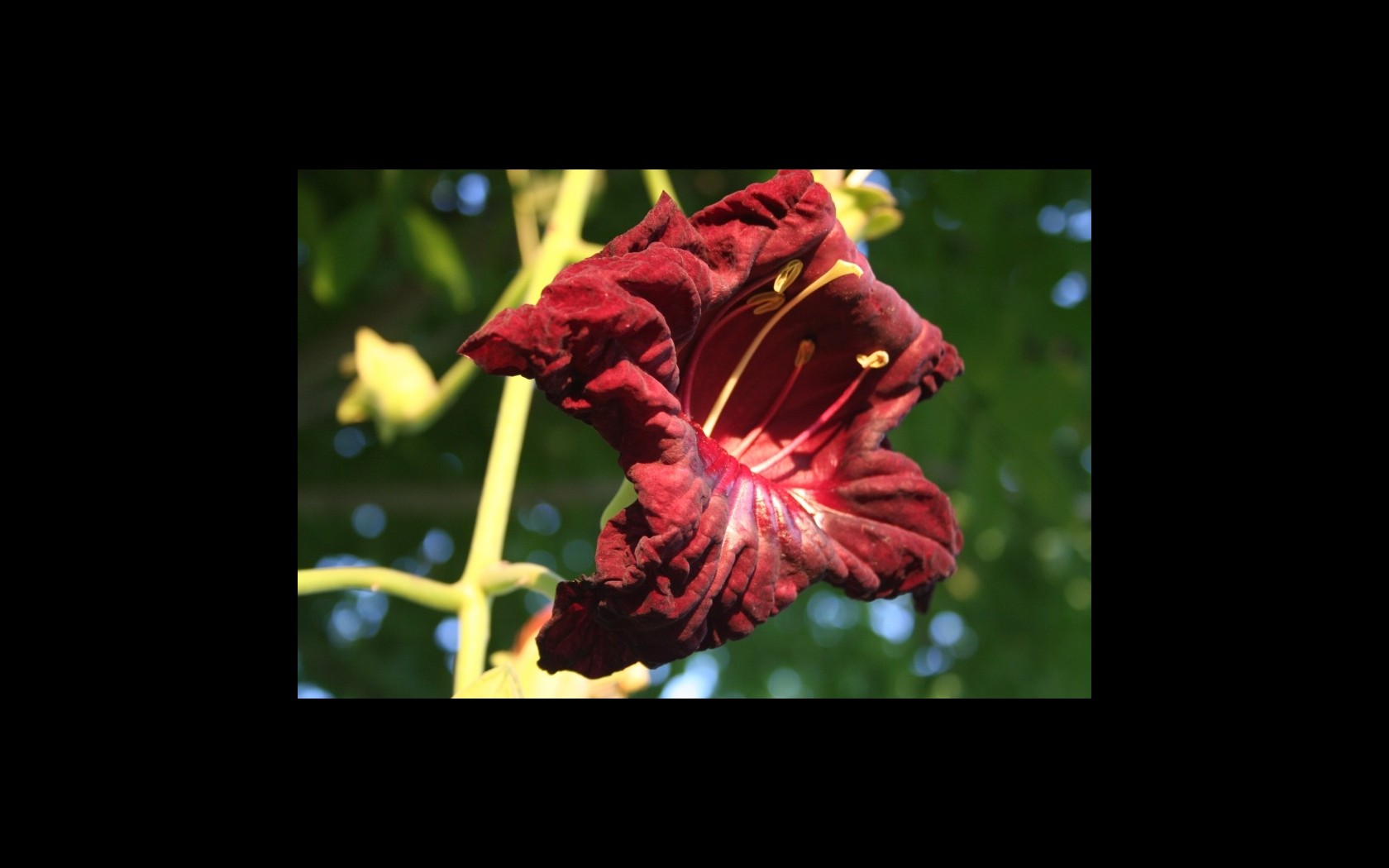
Flowers
Flowers - Kigelia africana (Lam., Benth.)
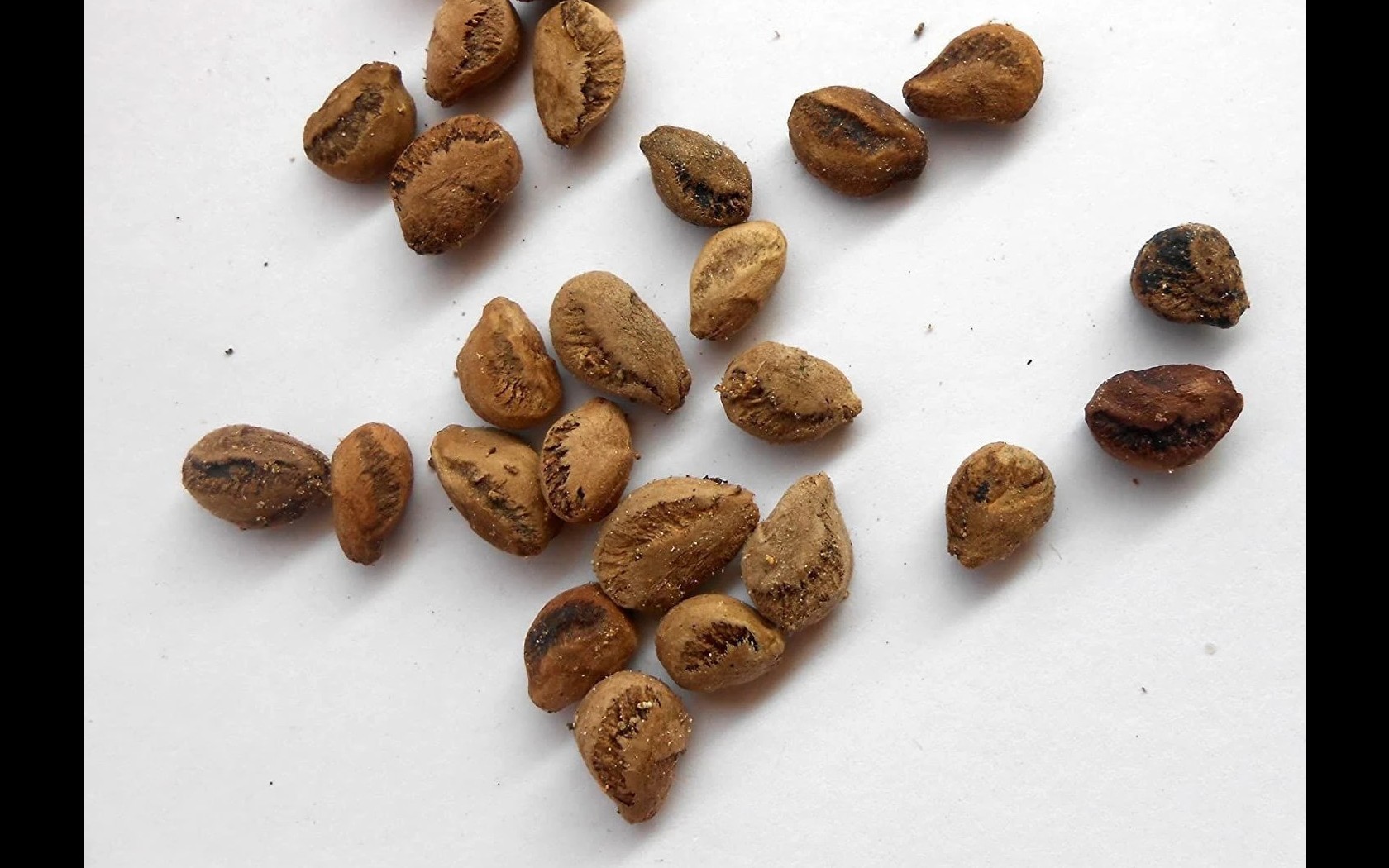
Seeds
Seeds - Kigelia africana (Lam., Benth.)
Expand all
 Domed - Broad
 Pinnate / Imparapinnate
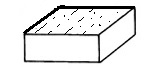
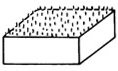
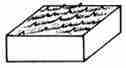 Leathery / Coriaceous,
Puberulent,
Rough / Scabrous
Leathery / Coriaceous,
Puberulent,
Rough / Scabrous
Leathery / Coriaceous,
Puberulent,
Rough / Scabrous
Leathery / Coriaceous,
Puberulent,
Rough / Scabrous
 Papery,
Smooth
Papery,
Smooth
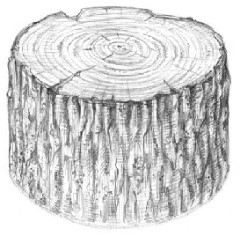 Wood Fibres - Solid
 Terete
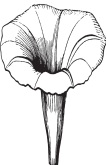 Trumpet
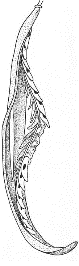 Capsule - Ceratium
 Leathery
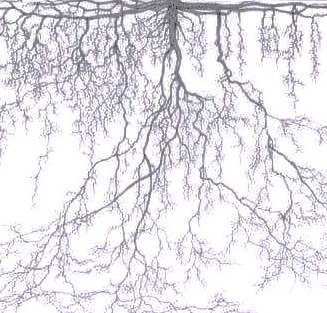 Tap Plate


 Damp,
Moist,
Moist - Dry
Damp,
Moist,
Moist - Dry
 Slight
Plant Properties
Origin(s)
Plant Type
Climate Range(s) - Habitat
Climate Range(s) - Tolerance
Aspect Range(s)
Habitat Range(s)
Habitat Zone(s)
Mature Height
Mature Width
Plant Shape
Domed - Broad
Domed - Broad
Growth Rate
Maturity
Life Span
Leaf Properties
Colour (front)
Colour (back)
Shape(s)
Pinnate / Imparapinnate
Pinnate / Imparapinnate
Pinnate Leaflets 3
,
Pinnate Leaflets 5
,
Pinnate Leaflets 7
,
Pinnate Leaflets 9
Pinnate Leaflets 3,
Pinnate Leaflets 5,
Pinnate Leaflets 7,
Pinnate Leaflets 9
Aroma
Texture (front)
Leathery / Coriaceous
Puberulent
Rough / Scabrous
Leathery / Coriaceous,
Puberulent,
Rough / Scabrous
Texture (back)
Leathery / Coriaceous
Puberulent
Rough / Scabrous
Leathery / Coriaceous,
Puberulent,
Rough / Scabrous
Compound Leaf Length
Bark / Stem / Culm Properties
Colour(s) Upper
Colour(s) Lower
Texture(s) Upper
Papery
Smooth
Papery,
Smooth
Trunk / Stem Construction(s)
Wood Fibres - Solid
Wood Fibres - Solid
Trunk / Stem / Culm Cross Section
Terete
Terete
Trunk / Stem Feature(s)
Trunk / Stem / Culm Diameter
Flower Properties
Gender: Bisexual
Time(s)
Flower Colour(s)
Flower Shape(s)
Trumpet
Trumpet
Erect
Erect
Aroma(s)
Flowers per Arrangement
Pollinator(s)
Fruit Properties
Type
Capsule - Ceratium
Capsule - Ceratium
Outer Colour(s)
Outer Texture
Leathery
Leathery
Dry
,
Hard
Dry,
Hard
Aroma
Season of Fruiting
Maturation for Fruiting
Root Properties
Type
Tap Plate
Tap Plate
Invasiveness
Soil Properties
Type(s)
pH Range(s)
Condition(s)
Damp
Moist
Moist - Dry
Damp,
Moist,
Moist - Dry
Fertile
,
Deep
,
Well Drained
Fertile,
Deep,
Well Drained
Salinities
Slight
Slight
Waterlogging Class
Watering Requirements
Other Properties / Uses
Bee Attraction
Bird Attraction
Butterfly Attraction
Frog Habitat
Coastal
Edible(s)
Fire Retarding
Frost Tolerance
Snow Tolerance
Drought Tolerance
Landscape Use
Special Purpose(s)
Maintenance(s)
Fertilising Requirements
Wind Tolerance
General Notes
A large tree with unusual sausage shaped fruit hanging down from the branches. The burgundy flower is produced at night, smelling like a mouse which attracts bats that then visit for the pollen and nectar. The fruit is used in traditional medicine along with the leaves, bark and roots. because of the abundant nectar, birds, bees, insects and butterflies are attratce to the flower and the fallen flower is eaten by animals, monkeys and the like. It is highly valued and culturally significant to the African communities. Widely used as an ornamental shade tree in streets, parks and large gardens.